What Kind of Brand Video Should I Make?

One of the most common ways a video project starts is with a sentence like, “We need a video.” That’s a perfectly reasonable place to begin. It’s also not much of a brief. Video is a format, not a strategy. A launch film, a product demo, a brand film, an episodic series, a customer story, and a fifteen-second paid-social spot can all technically be called “video,” but they’re doing very different jobs. Before we talk about directors, scripts, locations, animation, or how much something should cost, we usually want to know what the video needs to accomplish.
What should someone know, feel, remember, or do after watching it? That answer usually tells you what kind of video you actually need.
A launch film creates a moment
A launch film has a particular job: make something new feel important. That might be a new company, product, feature, brand identity, partnership, or idea. The audience often knows little or nothing about it, so the film has to create context quickly while also generating some excitement. The mistake is trying to explain everything. A launch film usually works better when it establishes the big idea and gives people a reason to lean in. The detailed product education can happen somewhere else. A good launch should feel like an arrival.

A product film makes something understandable
Product videos tend to sit closer to the thing being sold. They might demonstrate how something works, explain a feature, show a use case, compare an old way of doing something to a new one, or help a potential customer understand why the product matters. That doesn’t mean they need to be boring. Some of the hardest-working creative is product-focused. The constraint can actually be useful: there is a real thing to communicate, and the creative problem is figuring out how to make that information clear, memorable, and distinctive. A product film should leave the viewer understanding something better than they did before.
A brand film answers a bigger question
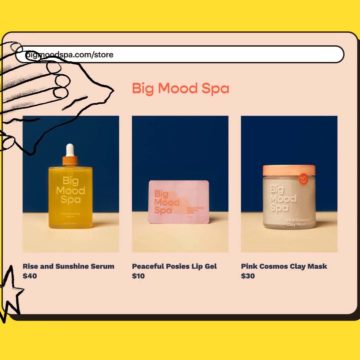
Brand films are less concerned with what a company sells today and more concerned with what the company means. Why does this company exist? What does it believe? What kind of world does it want to participate in? What does it want people to feel when they encounter the brand? This is where companies sometimes get nervous because the product may barely appear. That can be the point. The further up the funnel you go, the less the audience may care about your specific features and the more they care about whether the brand is relevant, interesting, useful, desirable, funny, credible, or worth remembering.
A strong brand film creates meaning around the product rather than simply describing it.

Episodic content gives people a reason to come back
Sometimes the right answer isn’t one film at all. Episodic content is built around a repeatable premise that can generate multiple stories over time. That might be an interview format, documentary series, animated world, recurring character, challenge, educational format, or something harder to categorize. We like episodic ideas because they change the relationship between brand and audience. Instead of repeatedly interrupting people with new campaigns, you can make something they recognize and potentially seek out. For Google Career Certificates, that thinking helped lead to Epic Career Quest, an animated series built around Gen Z, career exploration, entertainment, and nostalgia. The world could support characters, creators, social content, live extensions, and additional episodes. It generated more than 20 million organic views and continued into another season.
The repeatability was part of the idea.

Customer stories provide proof
Sometimes the most persuasive thing a brand can say is something it doesn’t say itself. Customer stories, testimonials, documentaries, case studies, and profiles can turn an abstract promise into evidence. The best ones usually aren’t commercials disguised as interviews. They work because there is an actual person with an actual story, problem, opinion, or experience worth hearing. If every sentence sounds like it came from the marketing brief, the audience will notice. This kind of work is especially useful when trust matters, the product is complicated, or the value is easier to understand through someone’s experience than through a list of features.

Social video is a different beast
Social isn’t just a shorter commercial. Sometimes a beautifully produced campaign film belongs there. Sometimes the better answer is a person talking directly to camera from their desk. The production value should follow the idea and the audience expectation. Social can be immediate, conversational, reactive, serialized, weird, useful, funny, or extremely polished. What matters is understanding why someone would choose to watch it in an environment where skipping is incredibly easy.
The question isn’t “How do we make a social version?”
It’s “How should this idea behave here?”

You may need more than one kind
Most brands don’t have one video problem. A launch might need a hero film to create excitement, product videos to explain the thing, short-form content to reach people repeatedly, customer stories to provide proof, and an episodic format that keeps the conversation going after the launch window closes. Those pieces shouldn’t necessarily look identical. They should work together. That’s one reason we think about video as part of a larger content system rather than as a collection of isolated deliverables.
Start with the strategy
Before deciding what kind of video to make, we’d ask: What are we trying to accomplish? Who needs to see it? What do they already know? What do they need to understand? What do we want them to feel? Where will they encounter it? What should happen next? Is this a one-time moment or something we want to keep building? Then choose the format. Sometimes the answer is a sixty-second film with a crew of fifty. Sometimes it’s six episodes. Sometimes it’s a product demo. Sometimes it’s someone with a phone. And sometimes the useful thing a creative production agency can tell you is that you don’t need a video at all. The format comes after the problem.
A decision you can make
A product demonstration can answer objections; a brand film can build desire. Decide which problem is costing the business more before selecting a format.